What people try
Approaches People Explore for Stuttering
People who stutter have different goals and experiences. The approaches below are provided for informational purposes and are not medical advice or recommendations from Just Speak. Everyone is different — what works for one person may not work for another.
Find your own path.
Clinical & structured programs
Approaches delivered by speech-language pathologists or established programs.
Traditional speech therapy
- Easy onset
- Elongating vowels
- Light contacts, continuous phonation, rate control and pausing
Taught and tailored by a certified speech-language pathologist. This is the approach with the longest clinical research history.
Positive Responses to Stuttering Program (PRSP)
- Psychological tools
- Confidence
- Managing emotional reactions around speech
Starfish
- Costal breathing
- Speaking on the exhale
A structured breathing-based course with ongoing practice and an alumni community.
Personal & nonclinical approaches
Things individuals have tried and talked about publicly. These do not have the same research base as clinical speech therapy, and are shared as experiences rather than treatments.
Mindset
- Vulnerability
- Openness
- Connection
Rather than hiding stuttering, this approach treats openness as the thing that changes the experience of speaking.
StutterMind
- Affirmations & other strategies
Approaches may include strategies such as changing or dropping a sound or letter. Nonclinical.
Tapping
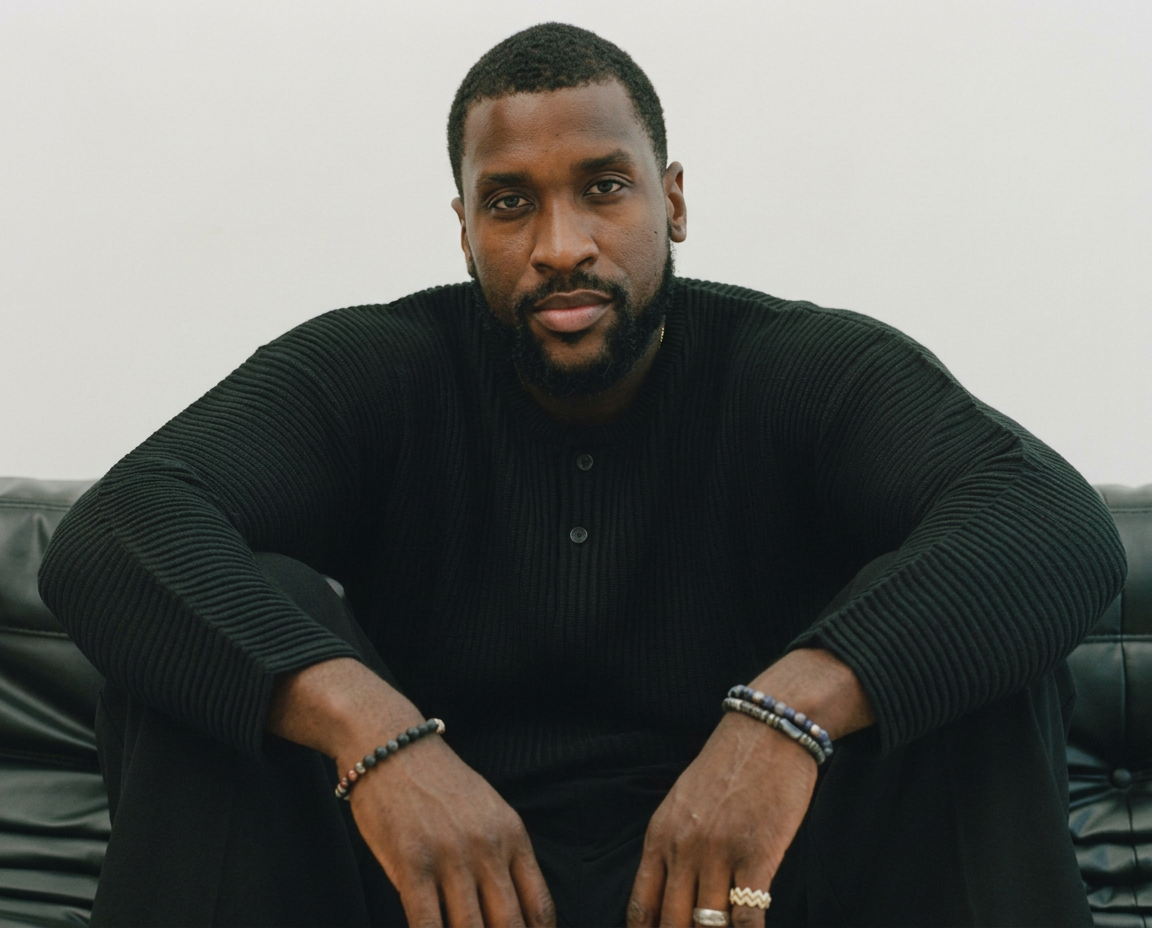
An approach Michael Kidd-Gilchrist has discussed and used. Personal rather than clinical.
Deep voice

Using a deeper or slower voice is something Makoa and other speakers experiment with.